
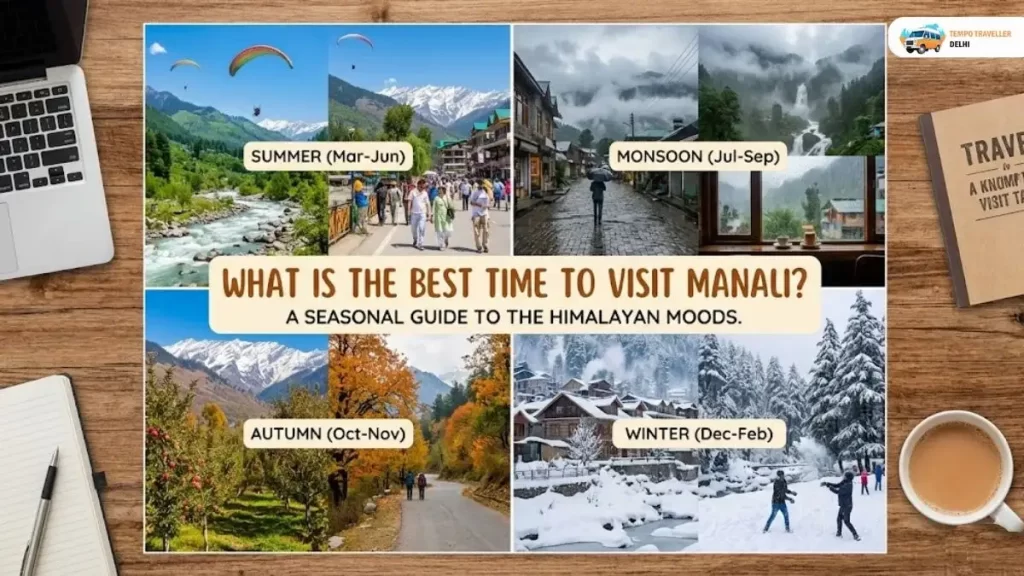
Manali is not just a destination on a map; for many of us, it’s a feeling. It’s the place where we went on our first college trip, the place where we saw snow for the first time, or the sanctuary we escaped to when the city noise became too loud to bear. But because Manali wears so many different hats, choosing the best time to visit Manali becomes important. The experience you have in January will be worlds apart from the one you have in June.
If you’re planning a trip, you aren’t just looking for a weather report – you’re looking for an experience. You want to know when the apple orchards are in bloom, when the cafes in Old Manali are at their coziest, and when you can actually drive to Rohtang Pass without getting stuck in a six-hour traffic jam.
This guide is designed to help you understand the best time to visit Manali based on seasons, moods, and travel style. We’ll look at the months not just as dates on a calendar, but as different personalities of the mountains. By the end of this, you’ll know exactly which version of Manali is calling your name.
1. The Golden Summer: March to June
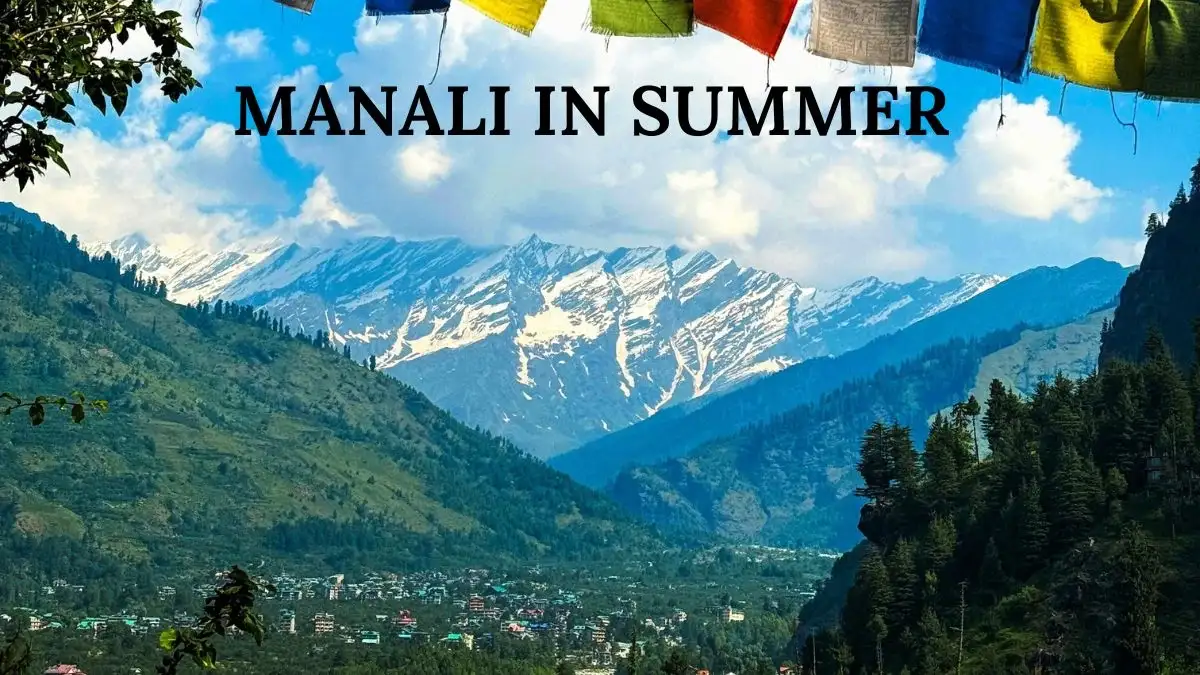
One of the best times to visit Manali for first-time travelers
When the plains of India begin to simmer in the heat, Manali transforms into a cool, green playground. This is the time when the town is at its most “classic.” If you close your eyes and picture a Himalayan holiday, this is likely what you’re seeing: blue skies, snow-capped peaks in the distance, and the roaring Beas River.
What it feels like on the ground
In March, you catch the tail end of winter. There’s still snow in the higher reaches like Gulaba or Solang Valley, but the town itself starts to breathe. By May, the apple blossoms have turned into tiny green fruits, and the scent of pine needles is thick in the air.
This is the season of life. You’ll see trekkers with heavy rucksacks heading toward the Beas Kund trail, families eating ice cream on the Mall Road, and paragliders dotting the sky like colorful confetti.
- The Weather: Bright and sunny. Daytime temperatures hover between 15°C and 25°C, making it perfect for walking.
- The Highlights: The Rohtang Pass usually opens by late May or early June, offering a chance to touch snow even in the heat of summer. It’s also the peak season for river rafting and zorbing.
- The Reality Check: Because everyone loves Manali in the summer, it gets crowded. Be prepared for “Mall Road traffic,” higher hotel tariffs, and the need to book everything – from your stay to your Rohtang permit – well in advance.
2. The Moody Monsoon: July to September
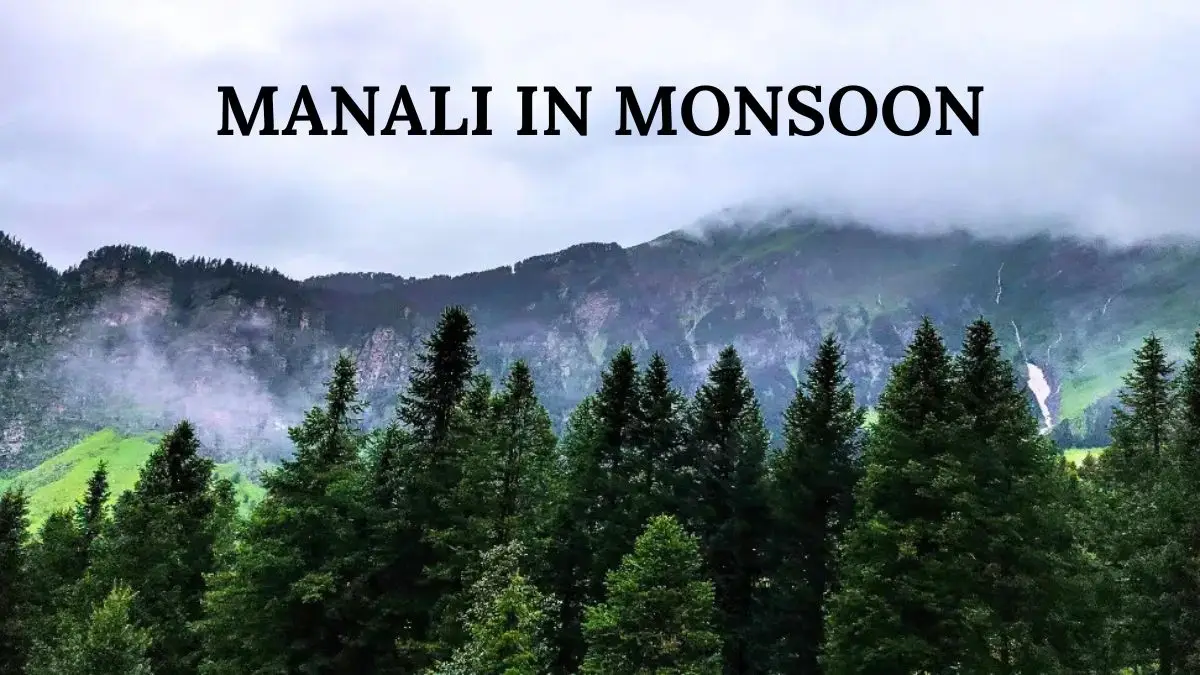
The best time to visit Manali for budget travelers and slow explorers
The monsoon in the Himalayas is not for the faint of heart, but for a certain type of traveler, it is the most magical time of the year. While the “standard” tourists stay away, the poets, photographers, and slow travelers move in.
The transformation of the landscape
Everything turns a shade of green you didn’t know existed. The waterfalls, which are mere trickles in the summer, become thunderous walls of water. The clouds descend so low that they often drift through your hotel window, leaving a fine mist on your skin.
- The “Slow Travel” Appeal: This is when Old Manali truly shines. You can spend hours in a riverside cafe with a book, a cup of Himalayan tea, and the sound of rain hitting the tin roofs. It’s quiet, it’s cheap, and it’s incredibly romantic.
- The Risks (Let’s be honest): Landslides are a serious concern. The road from Mandi to Manali can often be blocked for hours or even days. Adventure sports are shut down for safety, and trekking is risky due to slippery trails and leeches.
- Why go? If you are a budget traveler or someone who hates crowds, the monsoon offers Manali at half the price and ten times the peace.
3. The Autumn Transition: October and November
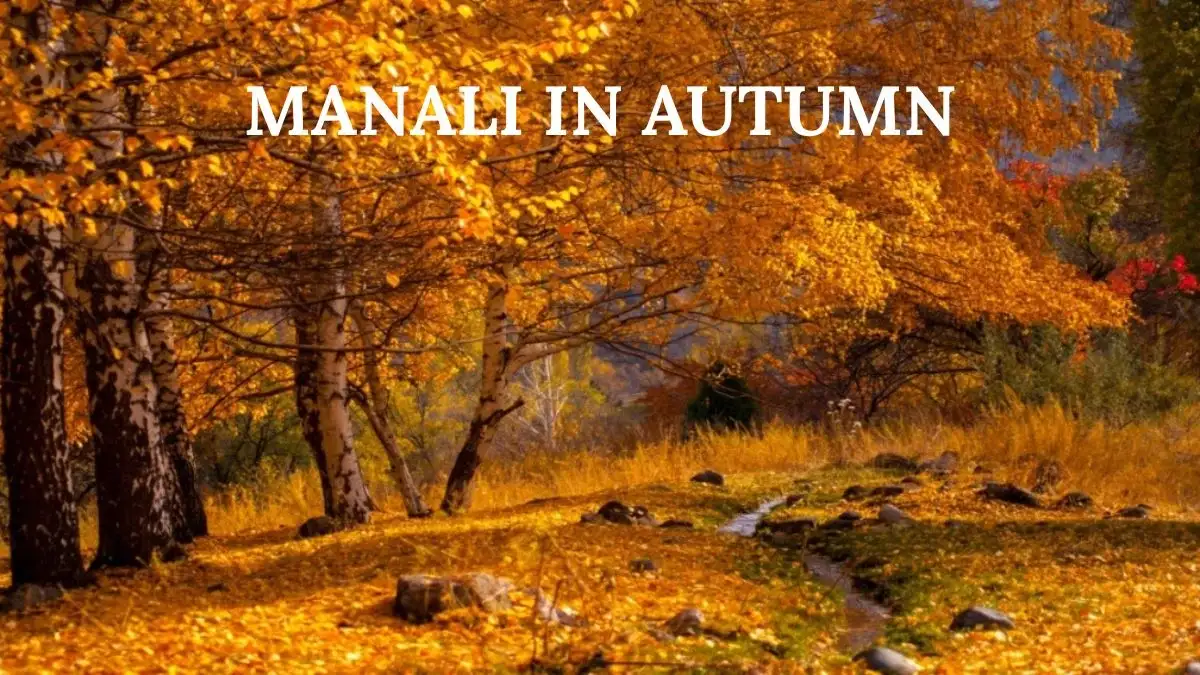
Often considered the best time to visit Manali for photography and clear views
If you were to ask a local photographer when the best time to visit is, they would likely say October. The rains have washed away the dust, leaving the air so clear you feel like you can reach out and touch the peaks.
A feast for the senses
The valley turns into a canvas of oranges, yellows, and browns. The apple harvest is in full swing, and you’ll see trucks laden with crates of fruit winding down the narrow roads. The mornings become chilly enough to warrant a heavy sweater, but the afternoon sun is warm and comforting.
- The Weather: Clear blue skies. It’s the best time for high-altitude trekking as the weather is stable.
- The Vibe: It’s a “shoulder season.” The summer families have left, and the winter snow-seekers haven’t arrived yet. It’s the perfect middle ground.
Before you hit the highway, make sure to read our full guide on traveling from Delhi to Manali by road to see the best stops and route options.
4. The Winter Wonderland: December to February
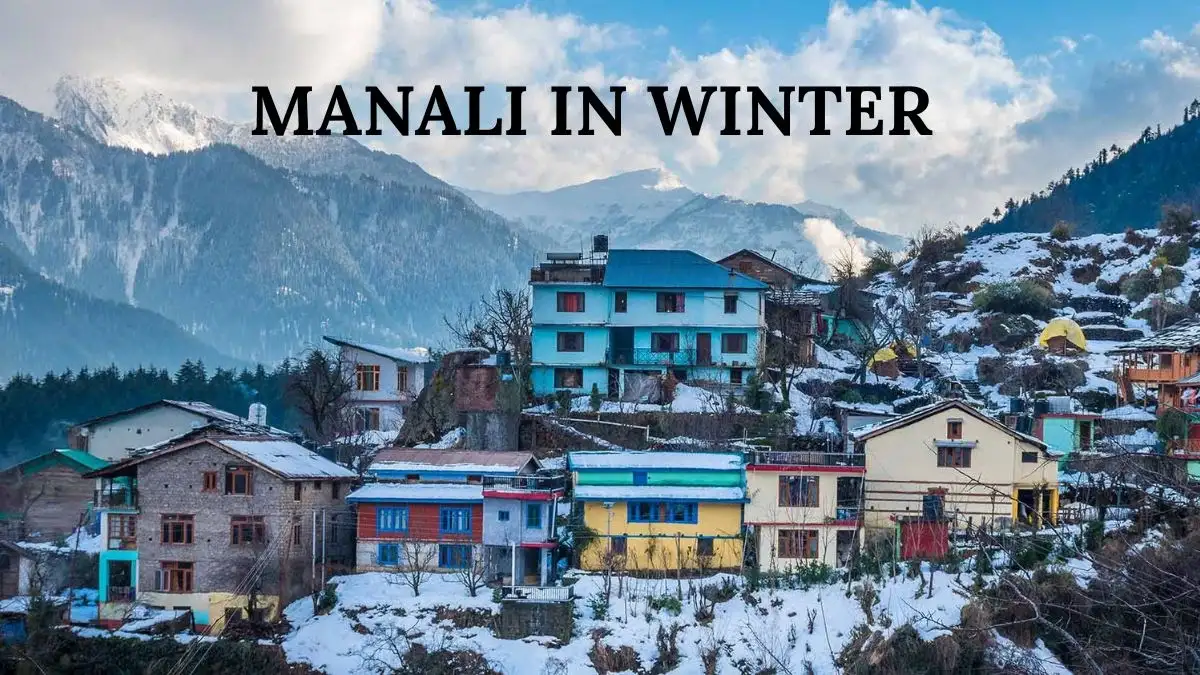
The best time to visit Manali for snowfall lovers
Winter in Manali is a tale of two halves. Late December is festive and bustling with New Year’s crowds, while January and February are for those who want to experience the true, silent power of the mountains.
Living inside a snow globe
When the first heavy snowfall hits (usually by late December), Manali changes overnight. The pine trees look like they’ve been dusted with powdered sugar, and the sound of the town changes – snow absorbs sound, making everything feel hushed and secret.
- The Cozy Factor: This is the time for tandoors (traditional heaters), heavy woolens, and local food like Siddu (steamed bread) drenched in ghee to keep you warm.
- The Snow Activities: Solang Valley becomes a hub for skiing and snowboarding. If the Atal Tunnel is open, you can drive through to Sissu for a landscape that looks like a white desert.
- The Hardship: It is bitterly cold. Pipes can freeze, power outages are common during heavy snow, and walking on black ice is a skill you’ll have to learn quickly.
Suggested Read: If you are visiting in January, check out the top places to visit near Manali for snowfall like Solang Valley and the Atal Tunnel for a true white winter experience.
Month-by-Month: The Fine Print
- January: The “Deep Freeze.” Best for those who want to see massive snow accumulation. Many cafes in Old Manali close down, but the ones that stay open are incredibly cozy.
- February: The snow starts to settle. It’s slightly warmer than January but still very much winter. A great time for skiing.
- March: The “Great Thaw.” The valley starts turning green again. You get the best of both worlds: snow on the peaks and pleasant weather in the town.
- April: Spring is in full bloom. The rhododendrons are out, and the air is fragrant. Perfect for nature walks.
- May: Peak Summer. The best weather for outdoor activities, but expect crowds.
- June: The last of the summer heat. The best time to cross the high passes into Lahaul or Spiti.
- July: The rains begin. The landscape becomes incredibly lush, but keep an eye on weather warnings.
- August: Peak Monsoon. Beautiful, misty, but travel can be unpredictable due to road conditions.
- September: The “Fresh” month. The rain tapers off, leaving behind a sparkling clean valley. Great for budget trips.
- October: The “Golden” month. Perfect for photography and crisp mountain air.
- November: The “Quiet” month. It’s dry and cold. A good time for those who want solitude before the winter rush.
- December: The “Festive” month. Expect a party atmosphere, white Christmas vibes, and lots of fellow travelers.
Choosing Based on Your Travel Style
For the Adventure Junkie
If your goal is paragliding, rafting, and trekking, stick to April to June or September to October. Avoid the monsoon at all costs, as most activities are banned for safety.
For the Romantic Couple
If you want privacy and “filmy” views, October and November offer stunning sunsets and chilly evenings perfect for sitting by a fire. Alternatively, February offers the romance of snow without the chaotic crowds of late December.
For the Family Trip
March to May is your safest bet. The weather is predictable, the kids won’t get too cold, and all the tourist amenities (like pony rides and photography stalls) are fully operational.
For the Digital Nomad
If you’re looking to work from the mountains, aim for the shoulder seasons: September to November. The Wi-Fi is more stable when it’s not raining or snowing heavily, and the cafes aren’t too crowded for you to snag a corner table.
For families wanting maximum comfort during the long mountain drive, our Maharaja Tempo Traveller offers reclining seats and premium suspension that makes every mile enjoyable.
A Note on Being a Responsible Traveler
Manali has seen a massive influx of tourism over the last decade, and the environment is feeling the strain. No matter which season you choose, booking a reliable Delhi to Manali Tempo Traveller ensures your group handles the 550 km journey with ease and comfort.
- Say No to Plastic: Carry a reusable water bottle. The mountain tap water is actually quite pure if you have a filter.
- Respect the Silence: If you’re in the forest or a quiet village like Vashisht, keep the music down. People come here for the peace.
- Support Locals: Eat at local dhabas, buy hand-knitted socks from the local aunties, and hire local guides. It ensures your money stays in the community.
Final Thoughts
The best time to visit Manali depends entirely on what you are seeking.
Crowds and energy in June.
Silence and snow in January.
Golden forests and calm air in October.
Misty peace and slow days in August.
The mountains have a way of giving you exactly what you need, even if you didn’t know you were looking for it. Check your calendar, pack your layers, and travel with respect. Manali will meet you in the mood you choose.