


This Kasol Manikaran trip guide is written for first-time visitors who want to understand not just where to go, but how to move through the valley without rushing. Most people realise this only after they arrive. The roads slow down, plans stretch, and suddenly the idea of rushing from one spot to another feels pointless. That is exactly why a little clarity before the trip helps.
If you are heading into the Parvati Valley for the first time, this guide is meant to prepare you for how things actually work there. Not just distances, but pace. Not just places, but how they feel when you reach them.
First, a simple way to think about the Kasol Manikaran trip
Kasol works best as your base. Everything else fits around it.
You reach Kasol, stay there, walk around without pressure, and then take short trips out to nearby places like Manikaran. Trying to treat this like a fast sightseeing circuit usually leads to tired legs and missed moments.
A relaxed flow looks like this:
Reach Kasol. Rest a little. Walk around the village and along the river. Visit Manikaran the next day. Come back before it gets dark. Repeat nothing in a rush.
Kasol as a base village
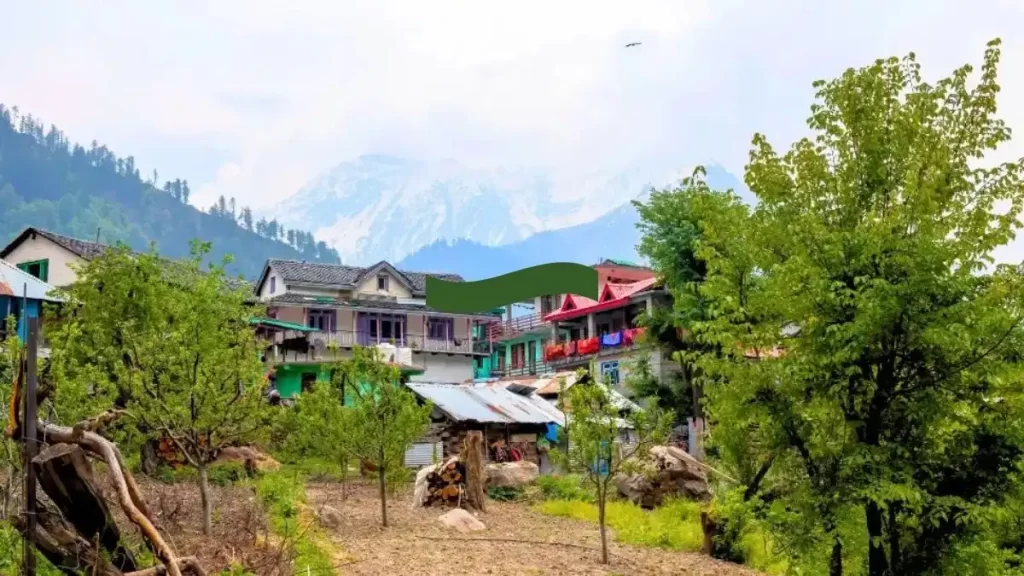
Kasol is small, but that’s its strength. Most people stay here because it’s easy to settle in. You don’t need to figure out transport every hour or plan meals in advance.
Cafes, bakeries, small shops, and guesthouses sit close together. You can step out for a walk and end up somewhere interesting without trying. That’s not something you get in bigger hill towns.
The main market road is flat and comfortable to walk on. But don’t assume everything is right on that road. Many riverside cafes, camps, and guesthouses sit slightly away from it. Reaching them often means walking down a short slope or climbing back up later. Nothing difficult, just something to keep in mind when choosing footwear.
Mornings in Kasol are quiet. You’ll hear the river before you hear people. Evenings are more social, but never loud in an uncomfortable way. It’s the kind of place where sitting still feels productive.
The Parvati River walk (towards Chalal)
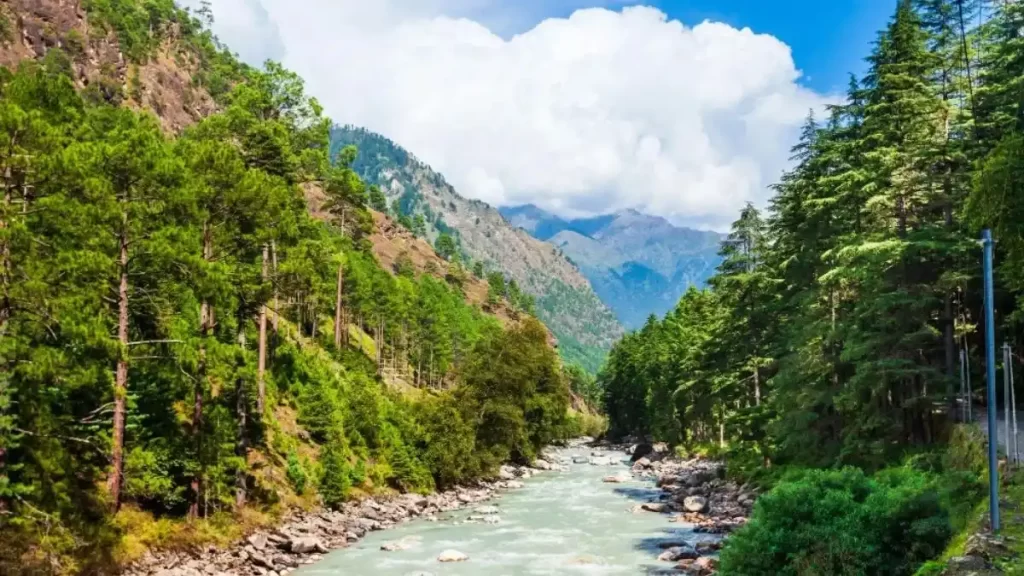
When people talk about a “river walk” in Kasol, they usually mean the trail that starts after crossing the suspension bridge towards Chalal village.
There’s no fixed distance here. Some people walk for ten minutes and turn back. Others keep going until they find a quiet spot and sit there for an hour.
The reason this walk stays with people is simple. It doesn’t demand anything. You’re not ticking off a viewpoint or chasing a photo. You’re just walking, stopping when you want, and listening to the water.
The Parvati River looks calm in places, but it isn’t. The flow is fast, cold, and unpredictable. Do not step into the water or try to cross it. Every year, locals warn visitors about this for a reason.
Any practical Kasol Manikaran trip guide must account for road delays, timing, and crowd flow, especially when visiting Manikaran Sahib.
Early morning and late afternoon are the best times for this walk. Light is softer, and the trail feels less crowded.
Visiting Manikaran Sahib
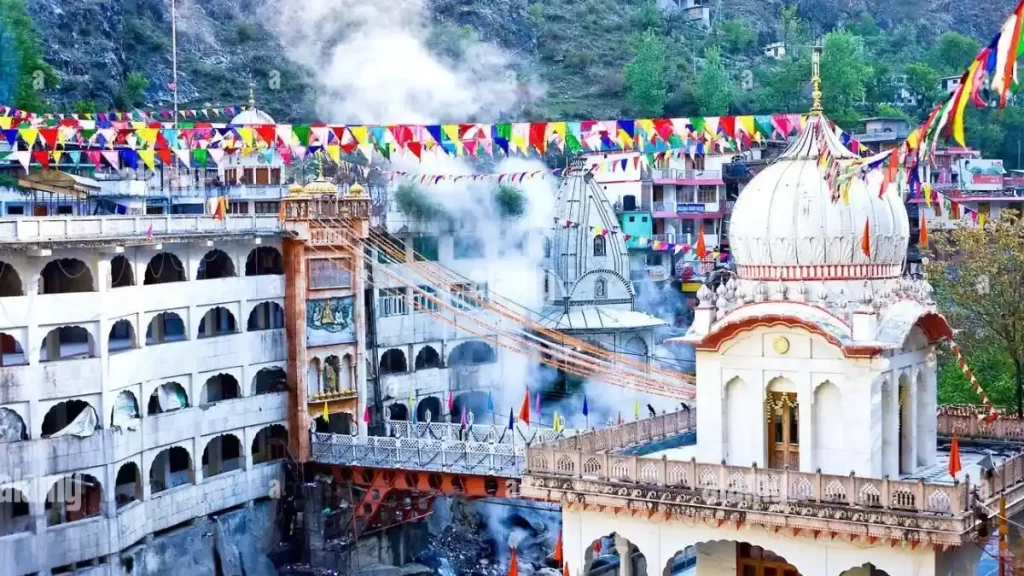
Manikaran Sahib sits about 3.5 to 4.5 kilometres from Kasol, depending on where you start. On an empty road, it’s a short drive. During peak season, especially in May and June, it can take much longer than expected.
The narrow bridge on the way often creates traffic, and delays of 30 to 45 minutes are common. Going earlier in the day usually saves time and patience.
The Gurudwara complex itself feels calm despite the number of visitors. Shoe storage is available near the entrance, and having small change helps things move smoothly.
The langar here is simple and filling. Nothing fancy, but that’s the point. The tea served alongside it is something many people remember long after they leave.
The Hot springs at Manikaran
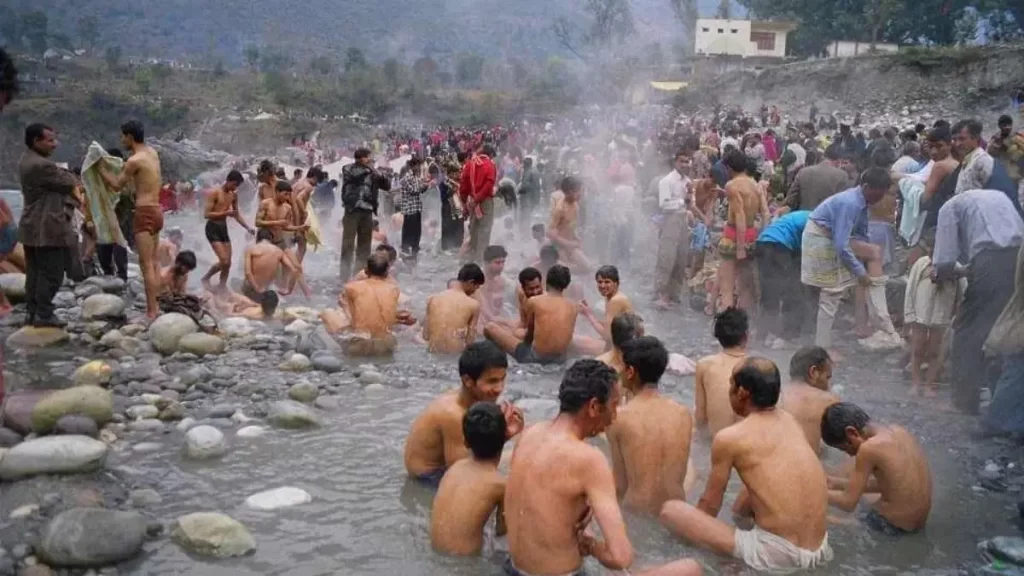
Right next to the Gurudwara are the hot springs that Manikaran is famous for. Steam rising in cold air is a familiar sight here.
What many first-time visitors don’t realise is that the open kunds you see are extremely hot. These are used for cooking rice and are not meant for bathing.
There are separate bathing areas for men and women where the water is cooled to a safe temperature. Follow local instructions. Spend some time, but there’s no need to linger too long. Most people are done in about half an hour.
When to plan this trip
March to June brings pleasant weather, but also crowds.
September to November is quieter and often feels more balanced.
Monsoon months can make the valley beautiful, but landslides and delays are common.
Winter is possible, but cold. Temperatures can drop below -5°C. Roads beyond Manikaran towards Tosh or Barshaini may close due to snow, though the Kasol–Manikaran stretch usually stays open.
Suggested Read: A helpful guide on planning weekend road trips from Delhi to hill destinations if you want a clearer sense of pacing, breaks, and comfort before starting the journey.
Network and connectivity
In Kasol and Manikaran town areas, mobile networks work better than people expect. Jio and Airtel 4G usually hold up in markets and main roads.
Once you move onto forest trails or higher treks like Rasol or Kheerganga, signals weaken quickly. Download anything important in advance.
How to Reach Kasol from Delhi?
Reaching Kasol from Delhi is more about timing and patience than speed. It is a long journey, and most travellers either leave very early in the morning or start late at night to avoid city traffic and reach the hills more comfortably. The usual route passes through Chandigarh and Bhuntar before entering the Parvati Valley. Highways across the plains are mostly smooth, but once you enter the hills, roads become narrower, slower, and more demanding.
For groups travelling with elders, children, or heavy luggage, managing multiple vehicles can quickly become tiring. Keeping everyone together in one vehicle allows flexible breaks, easier coordination, and a more relaxed start to the trip. Many families therefore choose a Tempo Traveller rental in Delhi so the journey itself feels steady and comfortable, rather than exhausting before the holiday even begins.
How much time it takes to Reach Kasol from Chandigarh?
An ideal pass to enter the Himachal region is Chandigarh has excellent connectivity from Kasol and Manikaran. Chandigarh to Kasol distance is 250 km approx and take 7-8 hours to reach here. It is very convenient to plan a day trip or weekend excursion to Manikaran for a pilgrimage occasion. To start your trip from here, you can book Tempo Traveller on Rent in Chandigarh.
For the wider picture, our Himachal and Delhi NCR distance chart lists Kasol, Manikaran, Manali, Shimla and Dharamshala with the road distance and realistic driving time from both Chandigarh and Delhi.
How to Extend Your Manali Trip to Cover Kasol and Manikaran
Many travelers visiting Manali choose to extend their journey to Kasol and Manikaran, and it works very well if planned perfectly.
Kasol is around 75 to 80 km from Manali, and the drive usually takes 3 to 4 hours, depending on traffic near Kullu and Bhuntar. The route passes through the most beautiful valley roads, apple orchards, and riverbanks, making the journey that convinces you to enjoy the journey as much as you enjoy the destination. The most common route is:
Manali → Kullu → Bhuntar → Kasol
Road conditions are generally good, but the last stretch after Bhuntar becomes narrower and slower. Starting early from Manali helps avoid congestion, especially during peak tourist months.
For families or groups already traveling together from Delhi, many prefer booking a Delhi to Manali Tempo Traveller for the entire circuit. This allows you to continue the same journey onward to Kasol and Manikaran without changing vehicles, drivers, or travel rhythm. It keeps luggage management simple and reduces travel stress, especially when elders are part of the trip.
A few things worth remembering
Carry warm clothes even if you’re visiting in summer.
Mountain roads don’t follow schedules. Delays are normal.
Respect local customs, especially around religious places.
Keep music low near rivers and villages.
Carry some cash. ATMs aren’t always reliable.
Final thoughts
A Kasol Manikaran trip works best when you stop trying to make it efficient. Walk more. Sit longer. Change plans if the day feels slow.
Kasol gives you space. Manikaran gives you perspective. If you let the trip unfold at its own pace, you’ll come back feeling rested in a way that busy itineraries rarely allow.
